



If you’ve started researching breast augmentation, you’ve probably noticed that no two price quotes look alike. One clinic advertises a low number, another quotes double, and neither explains why. It’s frustrating when you’re trying to plan for a big decision.
Here’s the clear picture: most women in Miami pay between about $6,500 and $12,000 in total for breast augmentation, with many landing in the $8,000 to $10,000 range. That total should cover the surgeon’s fee, anesthesia, the surgical facility, your implants, and your follow-up care. Where you fall in that range depends on a few key choices, and we’ll walk through each one so you know what to expect.
A trustworthy quote should break the total into clear parts. Here’s what most patients are paying for:
Surgeon’s fee: the skill, training, and time your surgeon brings to your procedure
Anesthesia fee: the cost of the anesthesiologist who keeps you safe and comfortable
Facility fee: the operating room, nursing staff, and equipment
Implants: the devices themselves, which vary by type and brand
Post-op care: follow-up visits, and sometimes a support bra and medications
If a quote lists only one of these, ask what’s missing. A low “starting at” price can grow quickly once the other pieces are added.
Miami is one of the busiest cosmetic surgery markets in the country. That means you have plenty of choices, but it also means a wide price spread. Rent, staffing costs, and demand all play a part. So does the surgeon’s reputation. A board-certified plastic surgeon with years of experience will usually charge more than a newer provider or a high-volume clinic that promotes deep discounts.
Try not to shop on price alone. This is a surgery, and your safety and results matter far more than saving a few thousand dollars.
Your implants are one of the biggest factors in your final price. Here’s how the main options compare:
Saline implants: filled with sterile salt water. They’re usually the more affordable option and can be adjusted slightly during surgery.
Silicone implants: filled with a soft, cohesive gel that many women feel looks and feels more like natural breast tissue. They usually cost a bit more.
Highly cohesive (“gummy bear”) implants: a firmer silicone gel that holds its shape. These tend to be at the higher end.
Size and shape matter too. Round and teardrop implants are priced differently, and your surgeon will help you choose what suits your frame and goals. Your choice should come down to the look you want and what’s right for your body, not only the price tag.
Two clinics can quote similar numbers and deliver very different experiences. Before you book, look for these things:
Board certification in plastic surgery
Before-and-after photos of real patients with body types like yours
A surgical facility that is accredited and follows strict safety standards
A surgeon who takes time to listen and explains your options honestly
A surgeon who rushes you through a consultation or pushes you toward the biggest implant possible is a red flag. The best surgeons want you to feel informed and confident, even if that means you take a few weeks to decide.
Sometimes an implant alone won’t give you the look you want. If your breasts have lost volume or begun to sag, for example, your surgeon may recommend pairing your implants with a lift. A breast lift reshapes and raises the breast tissue, and combining it with implants in one operation is often called an augmentation-mastopexy. Because it’s a more involved procedure, it increases the cost, but it can save you from needing two separate surgeries later.
Other options include fat transfer to add subtle shape. And if you already have implants that need replacing or adjusting, breast implant revision is priced separately from a first-time augmentation and can vary based on how complex the case is.
Some expenses don’t show up in the headline quote, and it helps to ask about them up front:
Pre-surgery lab work or imaging
Prescriptions for pain and nausea
Compression garments or a surgical bra
Time off work
Future implant replacement, since implants aren’t lifetime devices
Revision policies, in case you need a touch-up
None of these are meant to scare you. They just help you plan realistically. Many women are surprised by how much easier the process feels once they’ve seen the full picture in writing.
In most cases, no. Breast augmentation done for cosmetic reasons is considered elective, so insurance doesn’t cover it. There are exceptions, such as reconstruction after a mastectomy, but those are handled differently. If you think your situation might qualify, your surgeon’s office can point you in the right direction.
Paying for surgery all at once isn’t realistic for everyone, and you shouldn’t feel embarrassed about that. Many practices offer medical financing through third-party lenders, which lets you spread payments over time. Some also run seasonal promotions or package pricing when you combine procedures. Ask about payment plans at your consultation, and read the terms carefully, especially interest rates and any deferred-interest periods.
One thing we’d gently discourage is traveling for the lowest price and skipping follow-up care. If something needs attention after surgery, you want your surgeon close by.
The most accurate number will always come from a personal consultation. Online estimates can only go so far because your anatomy, goals, and implant choice all shape the plan. During a visit, you can expect your surgeon to:
Discuss what you want and what’s realistic for your body
Show you implant options and let you try sizers
Explain the surgical technique and recovery timeline
Give you a written, itemized quote with no surprises
Come with your questions. Ask how many breast augmentations the surgeon performs each year, where the surgery will take place, and what happens if you’re unhappy with your results. A confident, caring team will welcome those questions.
Breast augmentation in Miami is an investment, and the total typically ranges from $6,500 to $12,000, depending on your implants, your surgeon, and any extras you choose. The lowest quote isn’t always the best value, and the highest isn’t always the best care. What matters most is finding a board-certified surgeon you trust and getting a clear, itemized plan.
If you’re ready to see what your own numbers might look like, schedule a consultation with our team. We’ll listen to your goals, answer every question honestly, and give you a personalized quote so you can move forward with confidence.
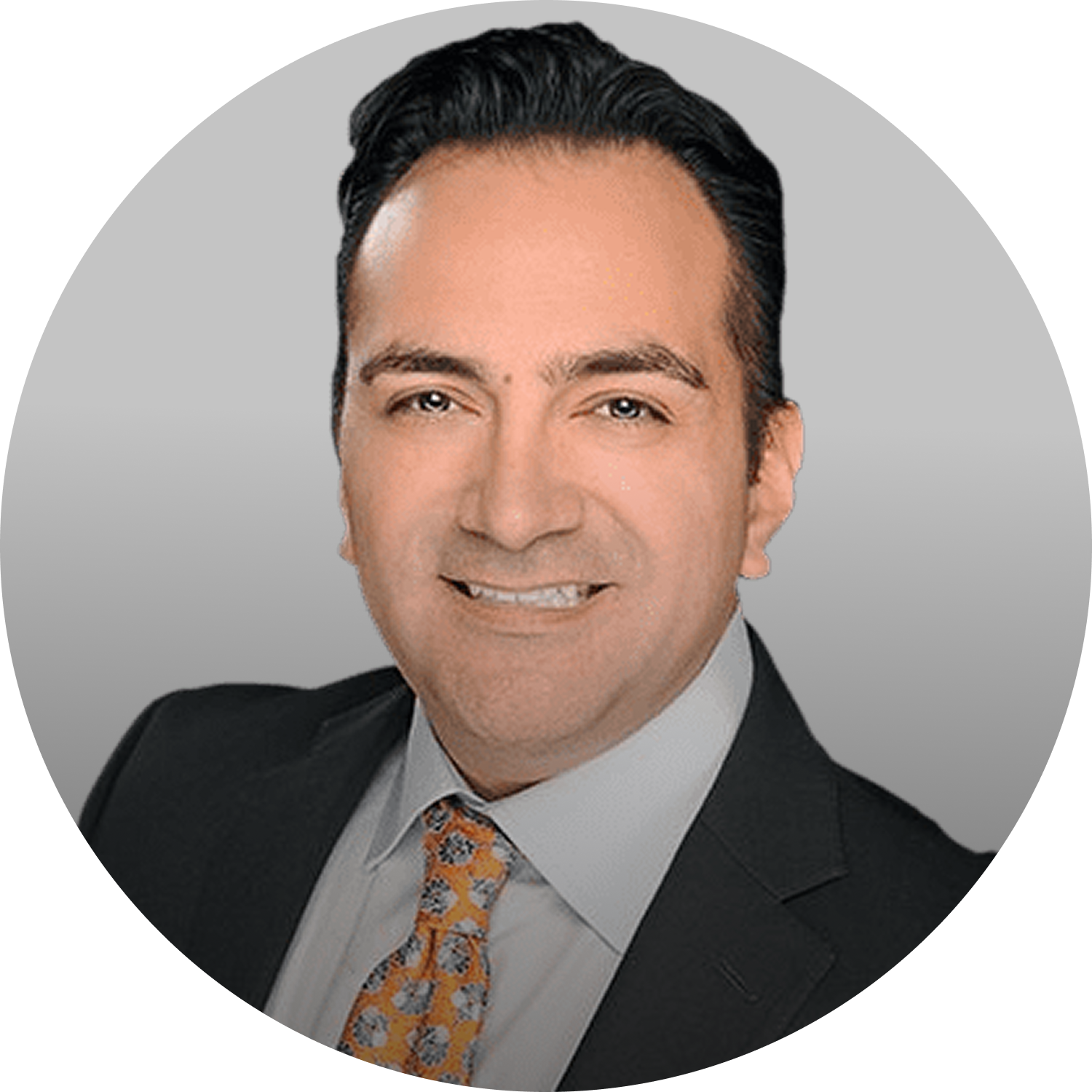
About the Author
Dr. Pat Pazmiño, MD, FACS
September 19, 2026
