



If you are unhappy with tummy tuck results, many disappointing outcomes can be improved through a revision tummy tuck. Revision can address uneven scars, a misshapen belly button, loose muscles, and leftover skin to help you achieve the flatter, more balanced stomach you originally hoped for. This article explains how to recognize unsatisfactory results and the practical steps you can take to move forward.
A tummy tuck, or abdominoplasty, is meant to flatten your abdomen, tighten separated muscles, and remove excess skin. When the outcome falls short, it can be frustrating. Recognizing what a poor result actually looks like is the first step toward fixing it.
Patients often seek revision when they notice:
Lingering loose skin: Excess skin still hangs or folds, particularly above the incision or around the belly button.
Misshapen belly button: The umbilicus may appear uneven, unnatural, too large or too small, slit-like, or poorly positioned.
Unsatisfactory scarring: The scar may be wide, raised, uneven, thick, or placed too high to conceal under clothing.
Persistent bulge: The stomach still protrudes instead of appearing flat.
Contour irregularities: The abdomen looks lumpy, asymmetrical, or uneven from side to side.
Muscles not fully tightened: Separated muscles (rectus diastasis) were not adequately repaired.
A “pulled” or “tight” look: The upper abdominal skin appears overly stretched.
If one or more of these describes your situation, these are exactly the issues a tummy tuck revision is designed to address.
Scars change dramatically over the first year. In the early months, it is normal for a scar to look red, raised, and firm. By about 12 months, a well-placed scar should soften, flatten, and fade toward a thin line that sits low enough to hide under underwear or a swimsuit. A scar that remains persistently dark, thick, widening, painful, or positioned too high after a year may be a hypertrophic or keloid scar, or the result of poor incision placement and closure – a sign the result may benefit from revision rather than more waiting.
If you find yourself in this situation, here is a clear path forward.
Revisit your pre-surgery photos and the goals you discussed with your original surgeon. Define specifically what disappoints you – the scar, the belly button, the leftover skin, or the overall shape. Being specific helps a surgeon understand whether your concern is correctable and how.
Final results can take up to a year to fully emerge. Swelling can mask the final contour, and scars need time to mature. Judging your outcome too early can lead to unnecessary anxiety. Give your body the time it needs to heal completely before deciding on next steps.
Schedule a follow-up with your surgeon to calmly and clearly voice your concerns. They are most familiar with your procedure and can offer insight into your healing. At Miami Aesthetic, you can schedule an in-office visit or a Zoom i-Consult, and Dr. Pat Pazmiño can morph your photos on screen to show what a revision may accomplish.
If your concerns are dismissed, or if you are definitively unsatisfied after a year, it is time to seek a second opinion. Many patients travel to Miami specifically to have a previous tummy tuck evaluated by a specialist who focuses on revision work. A fresh perspective can clarify your options.
Revision surgery is more complex than a first tummy tuck because it works with altered anatomy and existing scars, demanding a high level of skill. Dr. Pat Pazmiño is a board-certified plastic surgeon who performs a range of revision procedures, including revision tummy tuck and belly button revision, using safety-focused techniques and a fast-recovery approach that help patients heal comfortably without compromising quality. Learn more about Dr. Pat Pazmiño.
Every revision begins with a thorough consultation. For out-of-state patients, this can be done via a virtual Zoom i-Consult, with images sent in advance. Dr. Pat Pazmiño will examine your abdomen, discuss your concerns, and develop a customized plan. The revision may involve re-excising the old scar, removing more skin, performing liposuction, and re-repairing the abdominal muscles – all with a fast-recovery approach designed to help you return to daily life sooner without cutting corners.
Most surgeons recommend waiting at least 6 to 12 months after your initial tummy tuck before a revision. This allows tissues to soften, swelling to fully resolve, and scars to mature, so the surgeon works with your final result rather than a temporary one. Operating too soon can compromise the outcome. Your own timeline will be confirmed during your consultation.
In many cases, yes. In the hands of a skilled revision specialist, a well-planned revision can significantly improve scars, belly button appearance, skin looseness, and overall contour – leading to a better-positioned scar, a more natural shape, and renewed confidence. The degree of correction depends on your anatomy, the original surgery, and your healing. An honest evaluation is the only way to know what is realistically achievable for you.
Being unhappy with tummy tuck results is discouraging, but it does not have to be permanent. Once you have healed and clearly identified your concerns, a customized revision can address uneven scars, a misshapen belly button, leftover skin, and an unflattering shape – helping you finally achieve the smooth abdomen you originally envisioned.
At Miami Aesthetic, board-certified plastic surgeon Dr. Pat Pazmiño offers personalized revision surgery for local and out-of-state patients alike. To explore your options, schedule an in-office visit or Zoom i-Consult by calling (305) 576-3443.
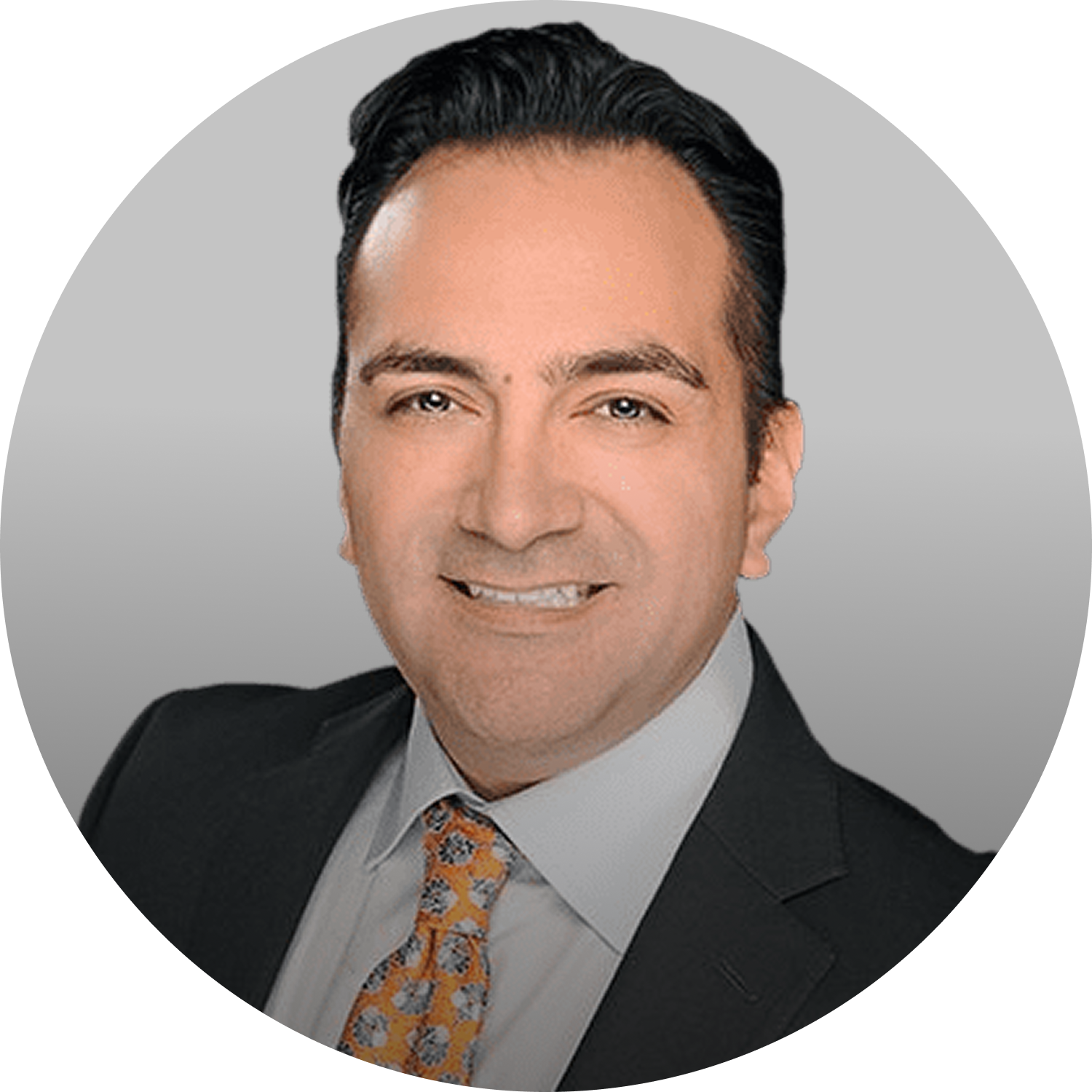
About the Author
Dr. Pat Pazmiño, MD, FACS
July 16, 2026
